The 5-Step Method for UK Gyms and Leisure Centres
How the Gym.Coach 5-step method works in UK gyms: 5 balanced machines in 30 minutes, 1-1-3 rep tempo, 90s rest, and 3x10 to 3x12 progression (+2.5 kg).
Free, in your browser, no account needed
How the 5-step method works
Every workout covers 5 foundational movement patterns: leg push, upper-body push, upper-body pull, hamstring curl, and core stability in 30 minutes.
Why 5 machines per session is enough
Two 30-minute sessions per week on 5 compound machines deliver the effective weekly set volume needed to build strength, protect joints, and preserve lean muscle mass.
How double progression builds strength
You start each weight at 3 sets of 10 reps, progress to 3x11, and then 3x12. Once you complete 3x12 with clean form, Gym.Coach automatically increases the weight by +2.5 kg and resets you to 3x10.
The 1-1-3 tempo explained
Every repetition follows a controlled 1-1-3 cadence: 1 second to push or pull, 1 second isometric hold at peak contraction, and 3 seconds to lower the weight smoothly.
Which 13 machines are in the rotation
Gym.Coach rotates smartly across these 13 foundational strength machines found in almost every gym:
Without resistance training, adults lose 3 to 8% of muscle mass per decade after age 30 (sarcopenia), whereas twice-weekly progressive training rebuilds an average of +1.4 kg of lean muscle mass in 10 weeks and raises resting metabolic rate by +7% (Westcott, 2012 ↗).
A controlled 1-1-3 repetition tempo (5 seconds of mechanical tension per rep, squarely within the effective 0.5 to 8 second hypertrophy window) (Schoenfeld et al., 2015 ↗) combined with training major muscle groups twice per week across structured multi-set volume (3x10 to 3x12) produces significantly greater hypertrophy than once-weekly training (Schoenfeld et al., 2017 ↗).
Controlled trials comparing guided strength machines against free weights confirm equivalent muscle hypertrophy and strength gains, with a lower coordination threshold and lower injury risk on machines (Haugen et al., 2023 ↗) and (Schwanbeck et al., 2020 ↗).
In the randomized LIFTMOR trial on postmenopausal women with low to very low bone mass, twice-weekly 30-minute supervised high-intensity resistance and impact training (HiRIT) significantly increased lumbar spine and femoral neck bone mineral density (BMD), demonstrating how progressive mechanical loading stimulates bone formation (Watson et al., 2018 – LIFTMOR ↗).
Peer-Reviewed Scientific Sources & Clinical References
The Gym.Coach 5-machine method, controlled 1-1-3 repetition cadence, and double progression protocol (3x10 to 3x12) are grounded in peer-reviewed exercise physiology and longevity research:
Westcott, W. L. (2012)
Resistance training is medicine: effects of strength training on health
Current Sports Medicine Reports, 11(4), 209-216
Age-related muscle loss (sarcopenia: 3% to 8% muscle loss per decade after age 30) is reversible with twice-weekly progressive resistance training, rebuilding an average of 1.4 kg of lean mass over 10 weeks while raising resting metabolic rate by approximately 7%.
Schoenfeld, B. J., et al. (2015 & 2017)
Effect of repetition duration during resistance training on muscle hypertrophy (2015) / Effects of resistance training frequency on measures of muscle hypertrophy (2016/2017)
Sports Medicine & Journal of Sports Sciences, 45(4), 577-585 (2015) & 35(11), 1073-1082 (2017)
Controlled repetition durations of 2 to 6 seconds per rep (such as the 1-1-3 tempo: 1s concentric, 1s pause, and 3s eccentric lowering, PMID: 25601394) paired with a twice-weekly full-body training frequency (PMID: 27433992) produce superior muscle hypertrophy compared to once-weekly routines.
Haugen, M. E., et al. (2023) & Schwanbeck, S. R., et al. (2020)
Effects of free weights vs. machine-based strength training on muscular hypertrophy and strength
BMC Sports Science, Medicine and Rehabilitation & Journal of Strength and Conditioning Research, 15(1), 103 (2023) & 34(7), 1851-1859 (2020)
Head-to-head trials comparing machine-based strength training and free weights demonstrate equivalent muscular hypertrophy and strength gains, while guided machines offer a lower technical barrier and reduced injury risk for beginners.
Watson, S. L., et al. (2018 – LIFTMOR trial)
High-intensity resistance and impact training improves bone mineral density and physical function in postmenopausal women with osteopenia and osteoporosis (LIFTMOR trial)
Journal of Bone and Mineral Research, 33(2), 211-220
In the randomized LIFTMOR trial on postmenopausal women with osteopenia and osteoporosis, twice-weekly 30-minute supervised high-intensity resistance and impact training (HiRIT) significantly increased lumbar spine and femoral neck bone mineral density (BMD), demonstrating that progressive mechanical loading stimulates bone formation.
Ready to train without overthinking?
First session free in your browser. Optional Pro from £5.99/mo or £39.95/yr, view pricing.
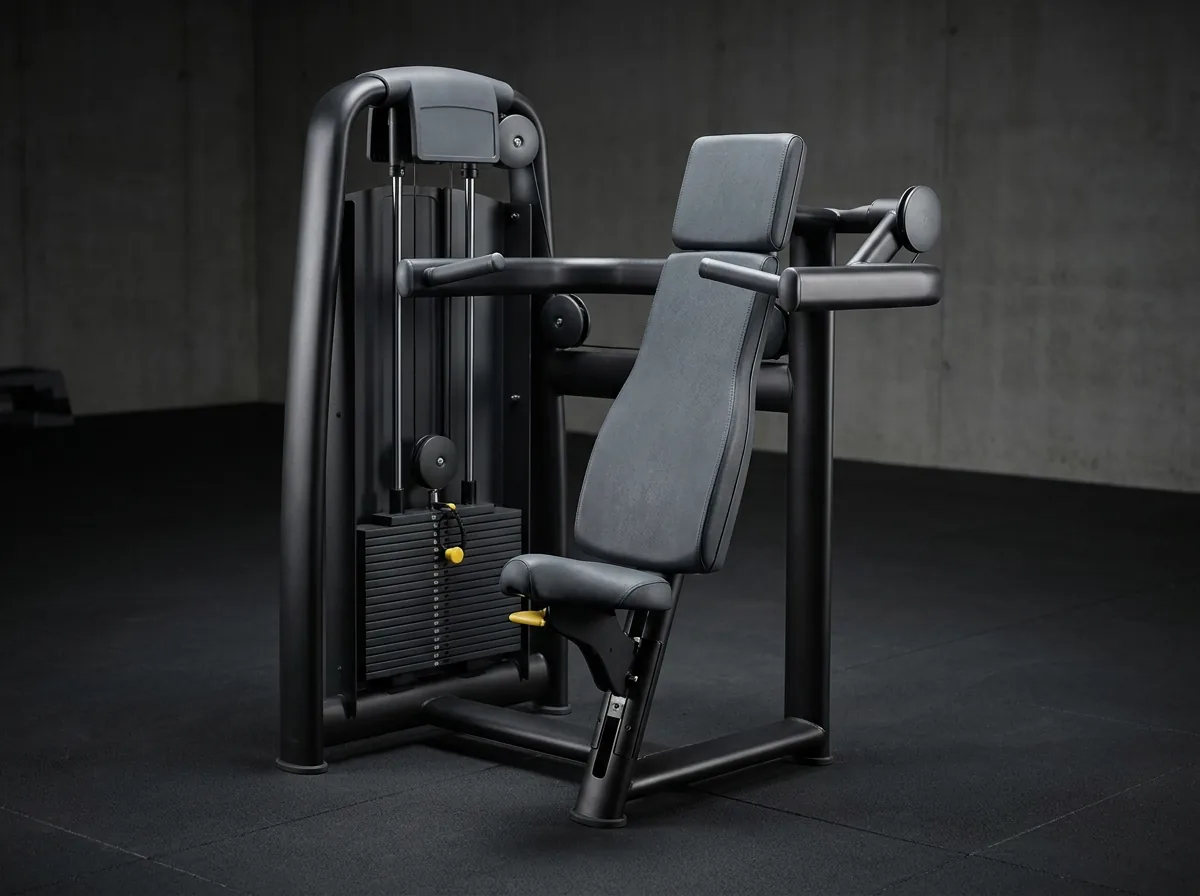 Chest Press (25 kg): Chest, front shoulders & triceps
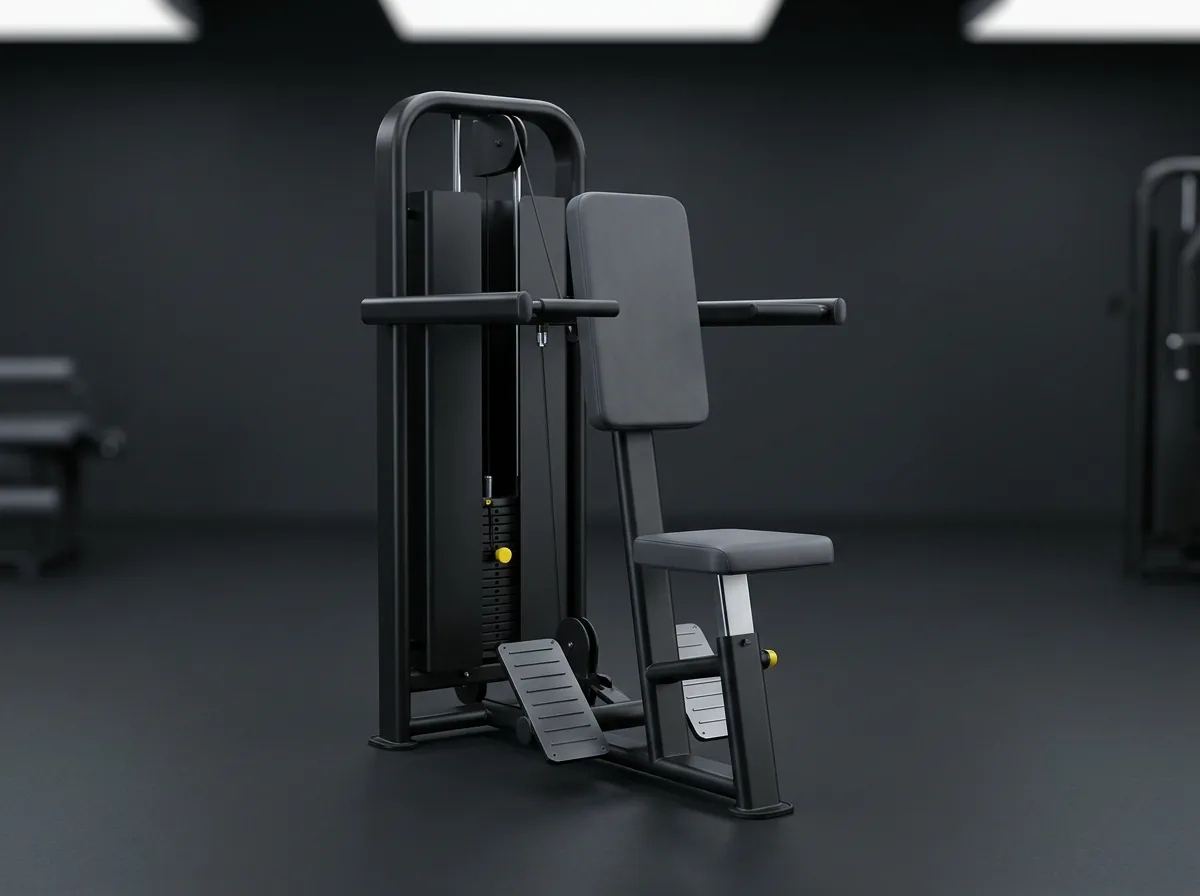 Seated Row (30 kg): Upper back, lats & biceps
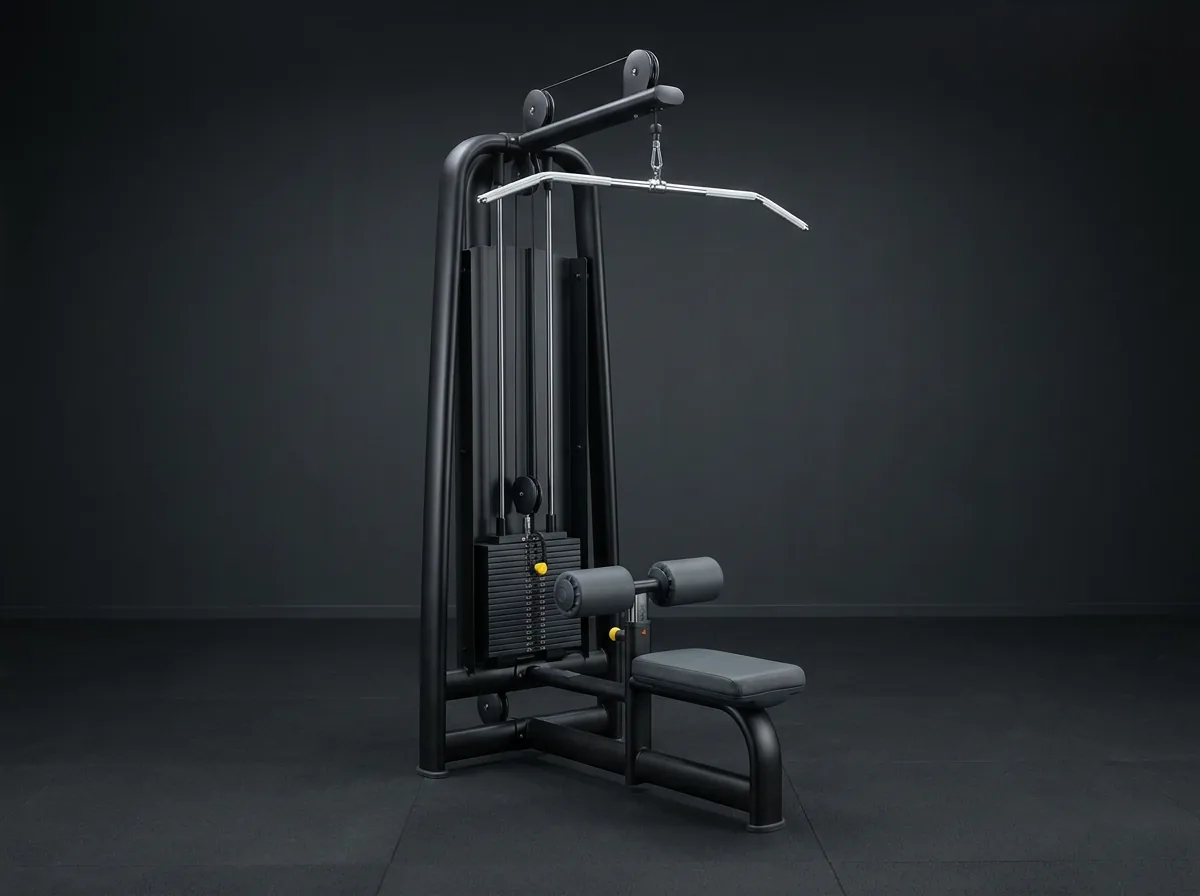 Lat Pulldown (30 kg): Latissimus dorsi, upper back & biceps
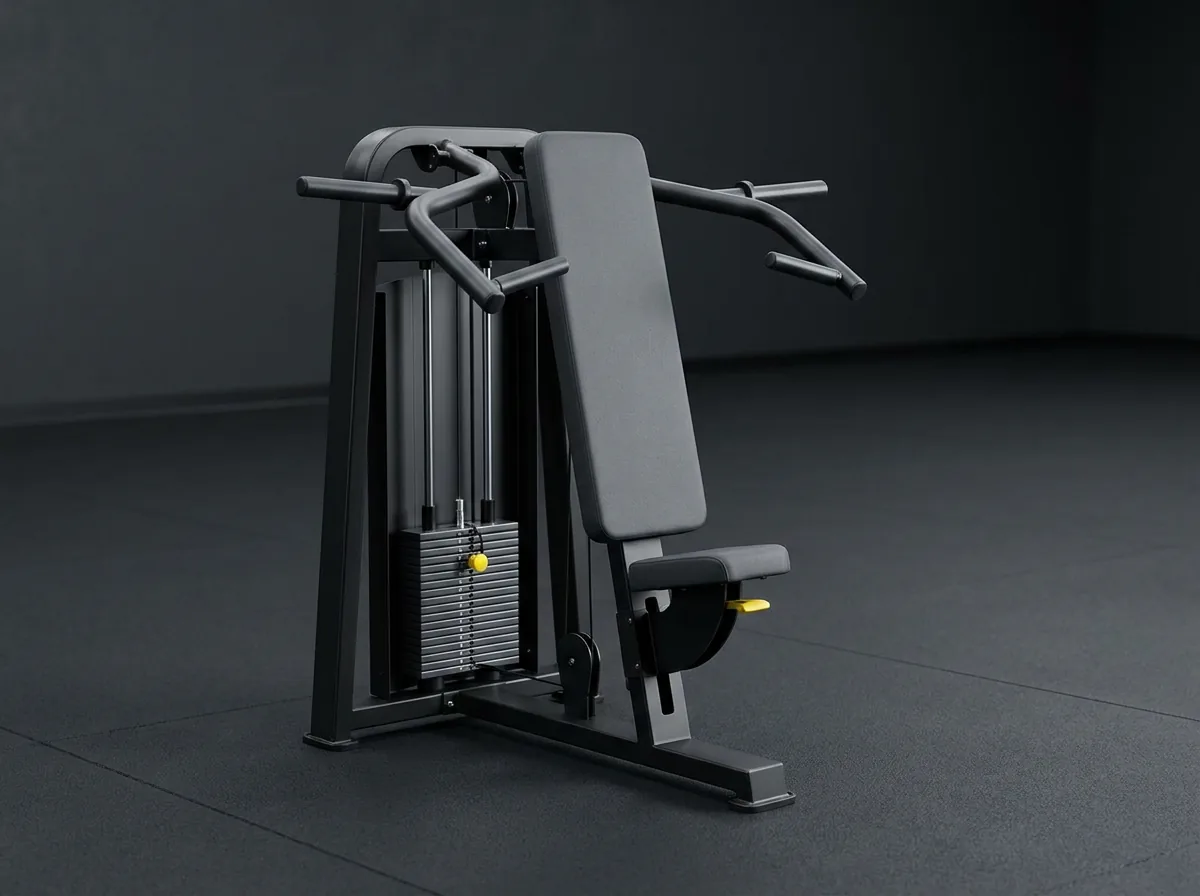 Shoulder Press (15 kg): Shoulders (deltoids) & triceps
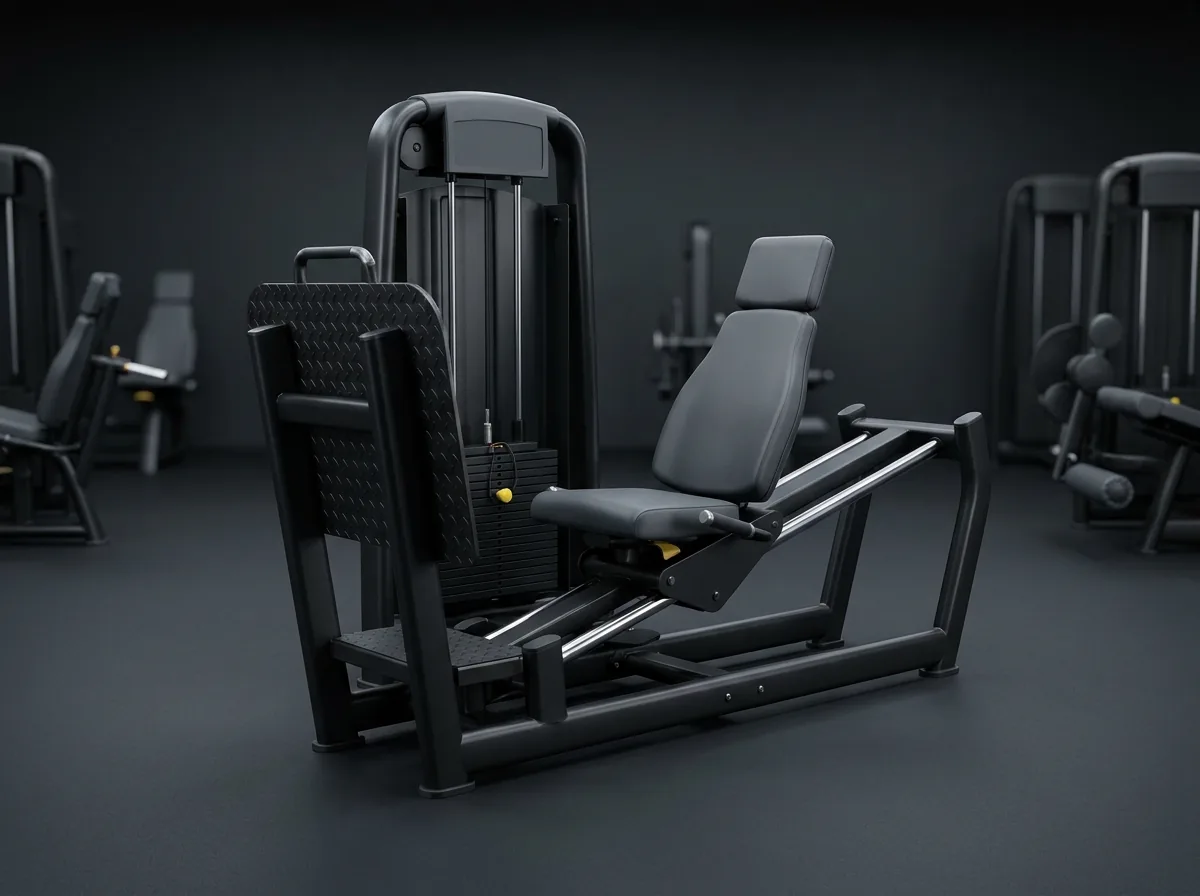 Seated Leg Press (60 kg): Quadriceps, glutes & hamstrings
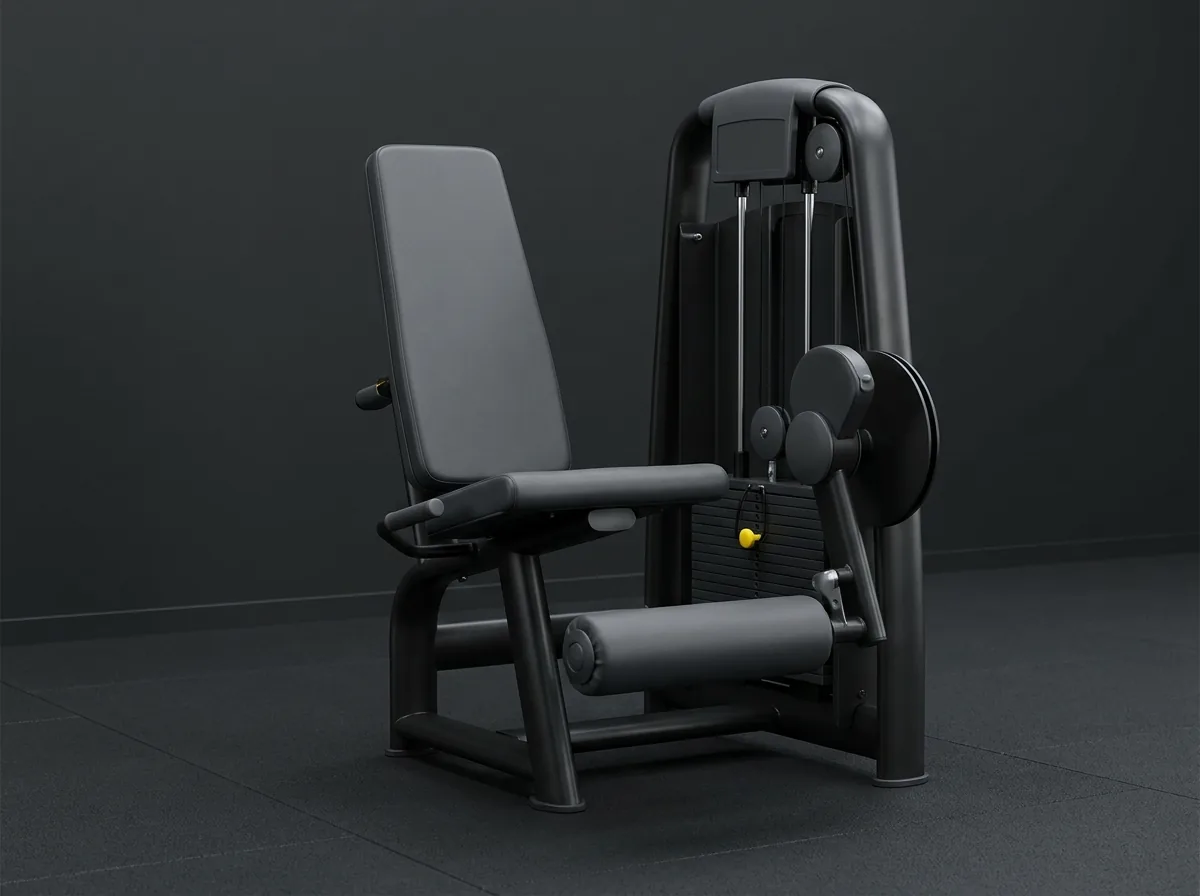 Leg Extension (25 kg): Quadriceps (front thighs)
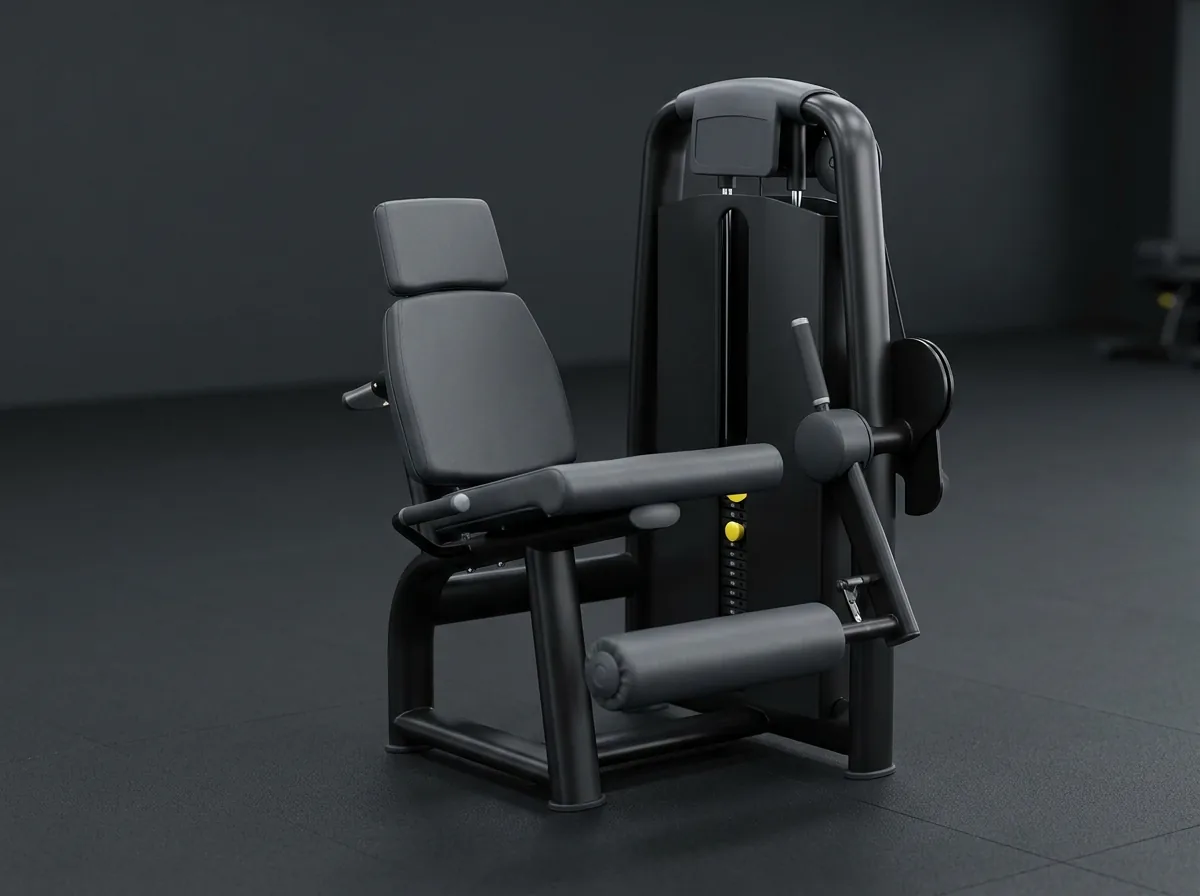 Seated Leg Curl (25 kg): Hamstrings (back thighs)
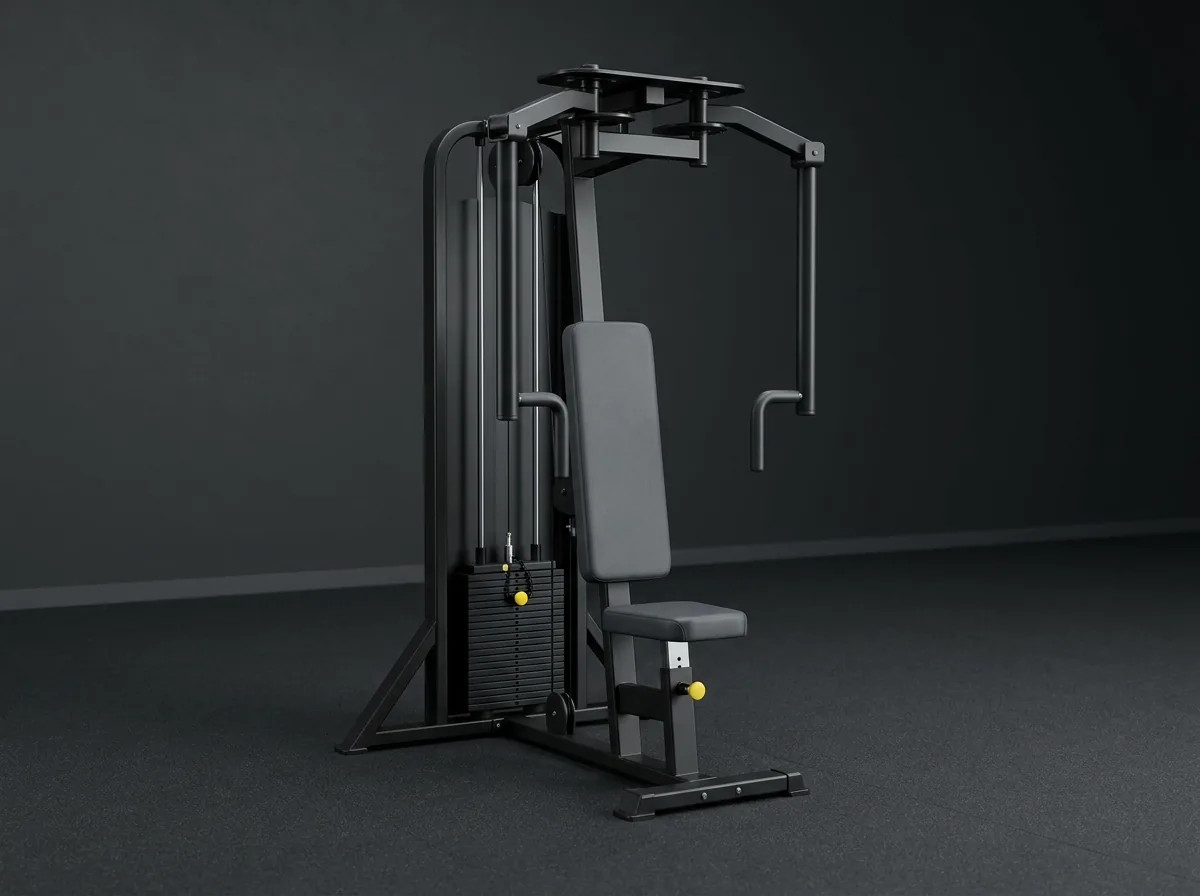 Pec Fly / Rear Delt (20 kg): Pectorals (chest) & rear shoulders
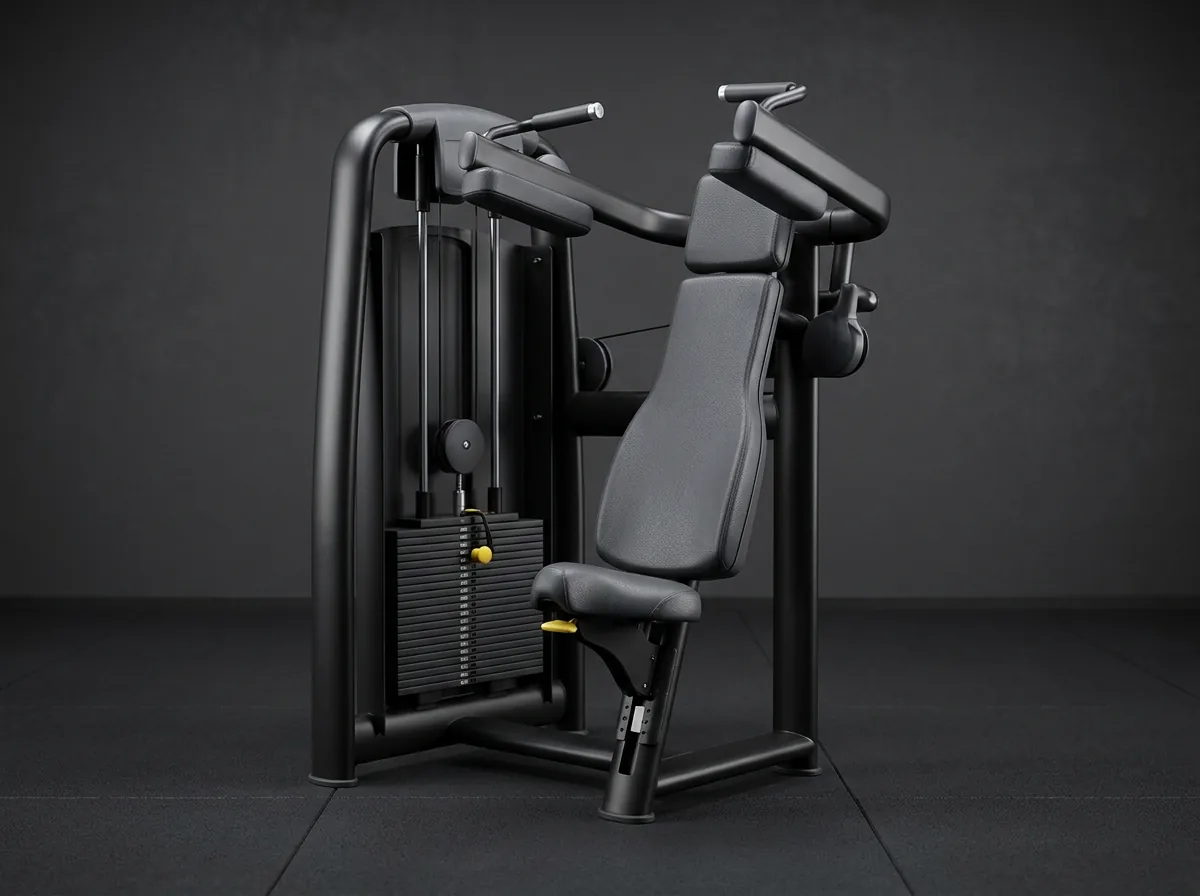 Abdominal Crunch (25 kg): Abdominals (rectus abdominis & core)
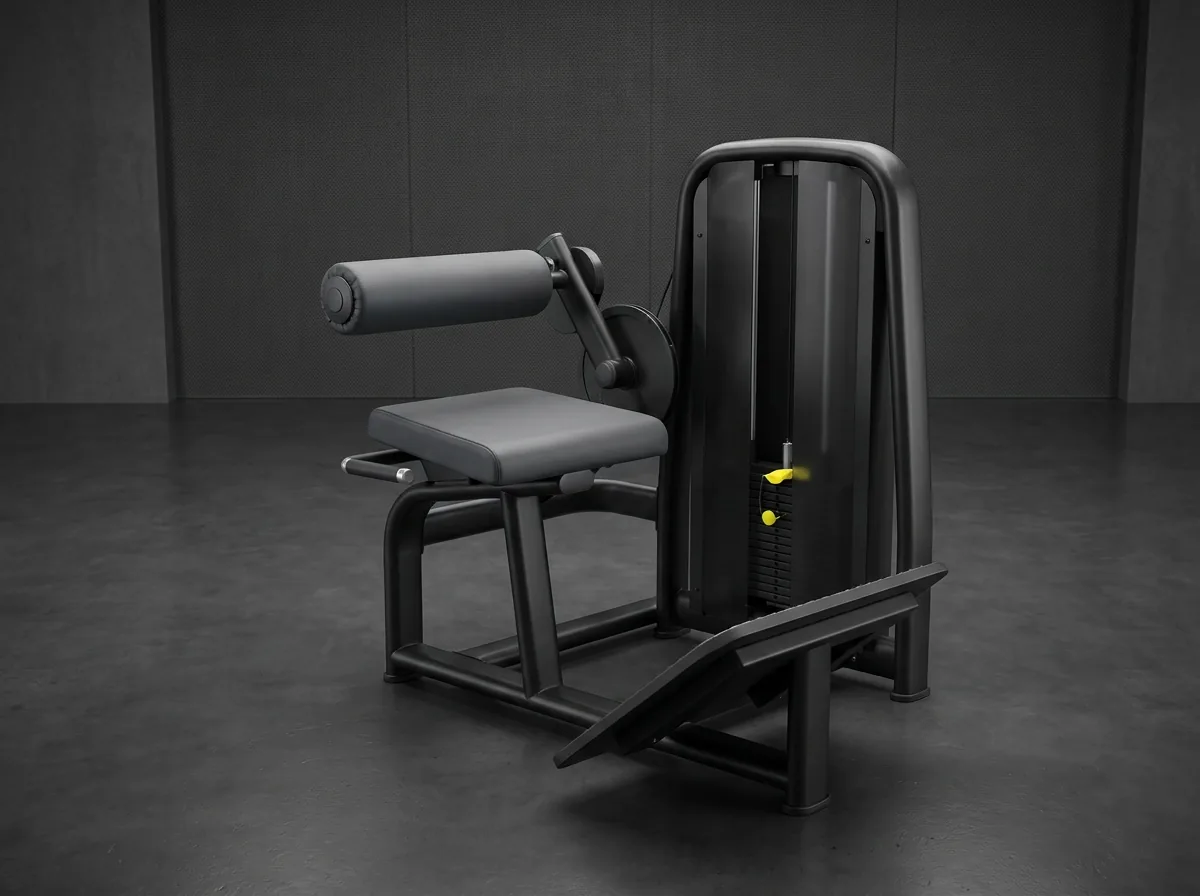 Back Extension (30 kg): Lower back (erector spinae) & core stability
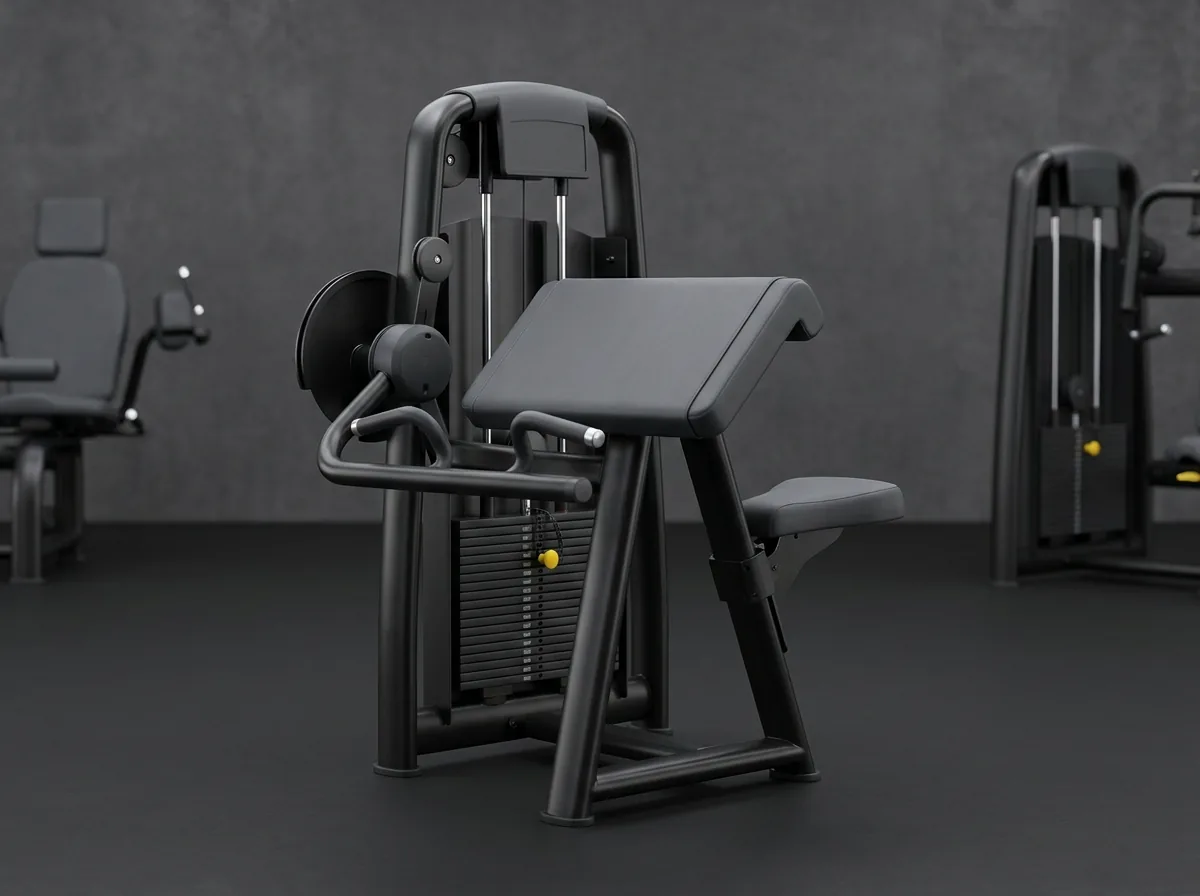 Bicep Curl (15 kg): Biceps brachii & forearms
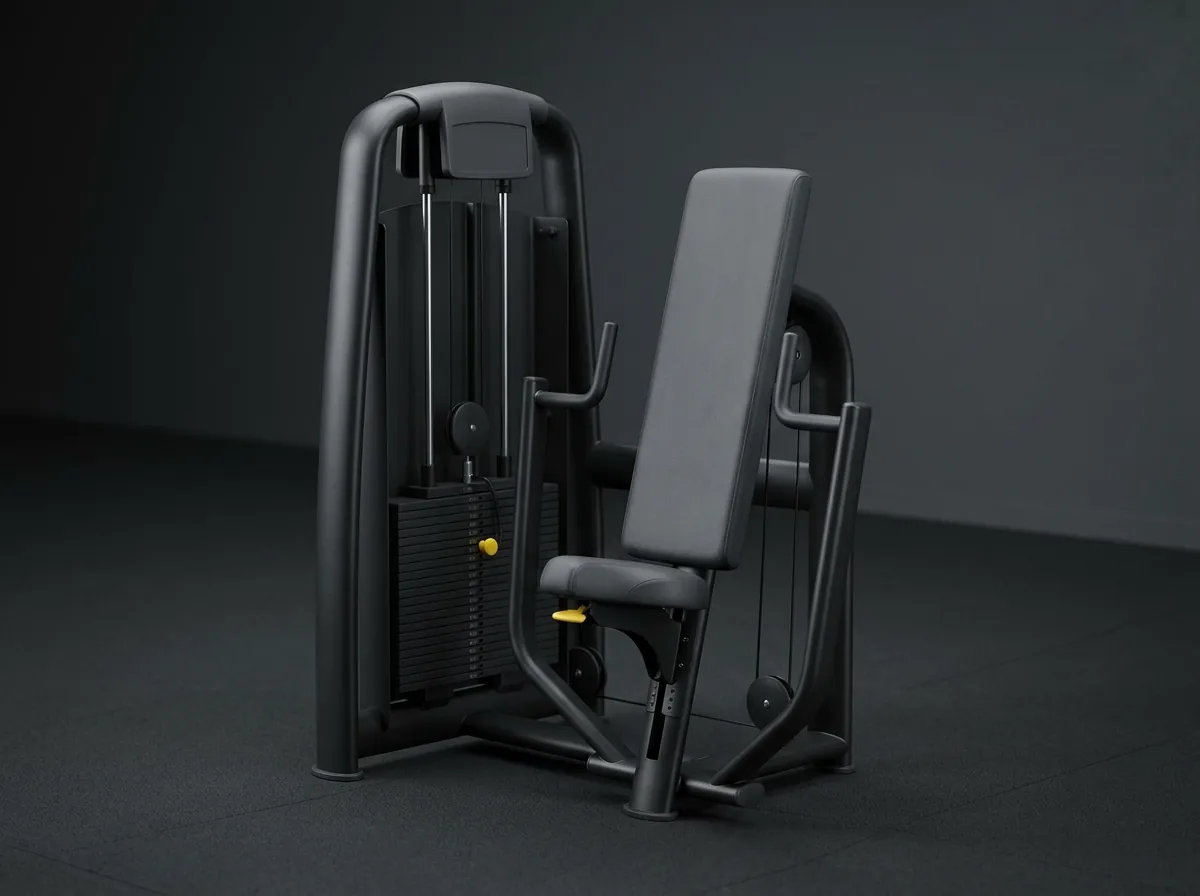 Tricep Press (25 kg): Triceps, lower chest & shoulder girdle
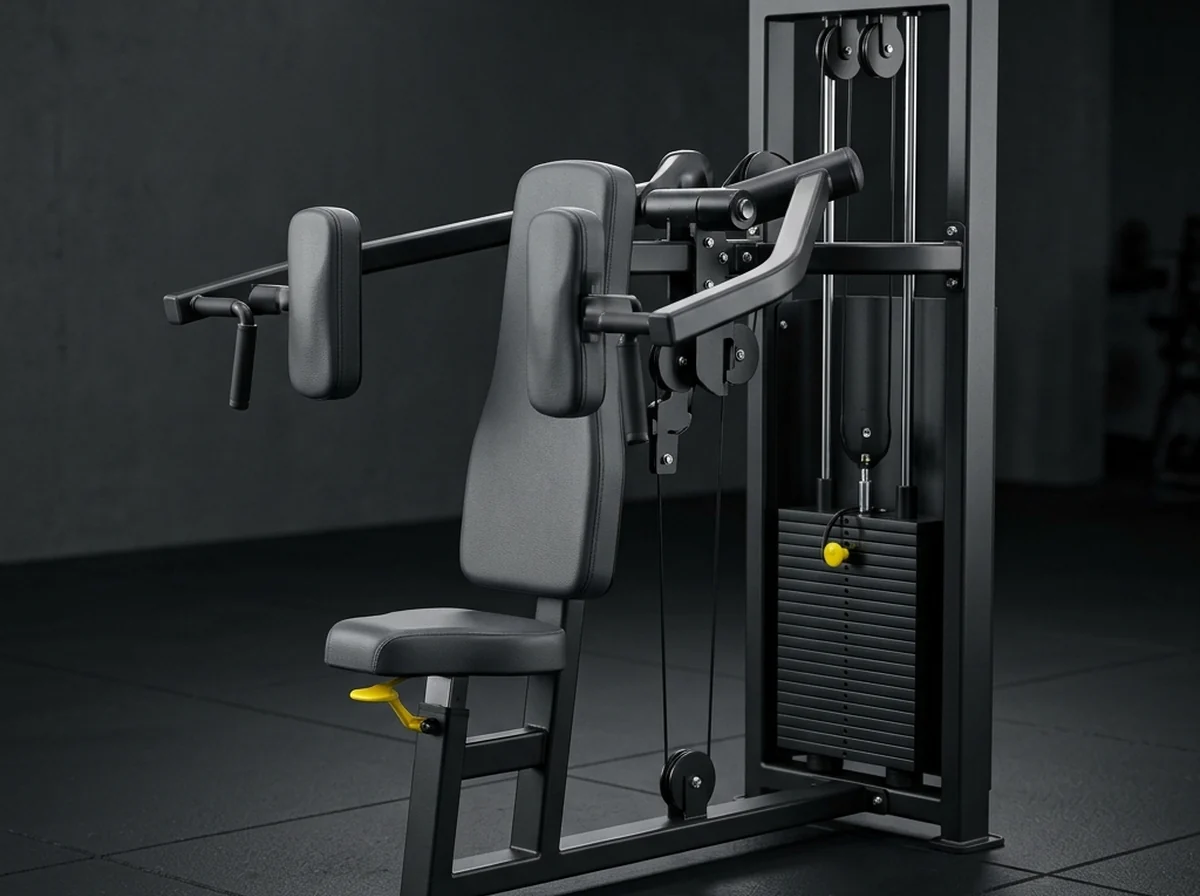 Lateral Raise Machine (15 kg): Side Delts & Shoulder Width